BMU–CUI Explore Strategic Collaboration in Digital Transformation, Faculty Development & Biomedical Technology

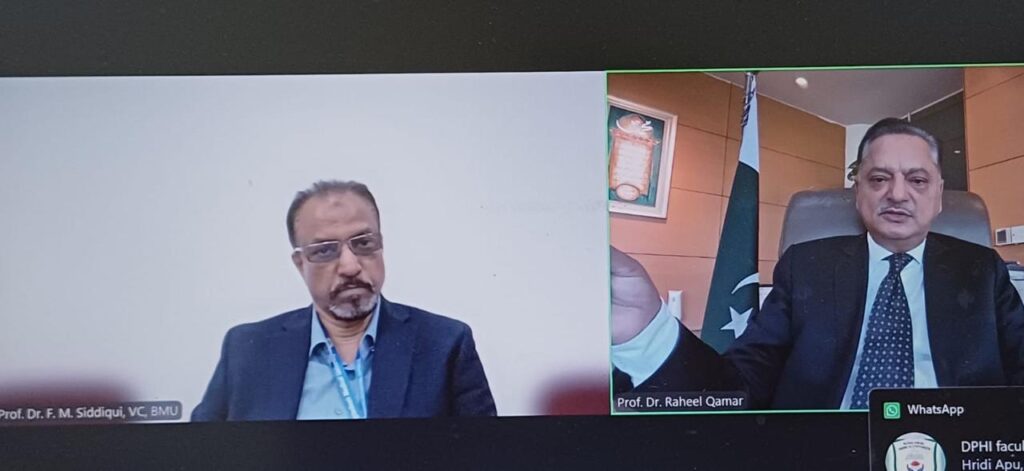
Dhaka, 07 October 2026: Bangladesh Medical University (BMU) and COMSATS University Islamabad (CUI), Pakistan, held a high-level zoom meeting to explore opportunities for strengthening collaboration in education, research, digital transformation, faculty development and biomedical technology.
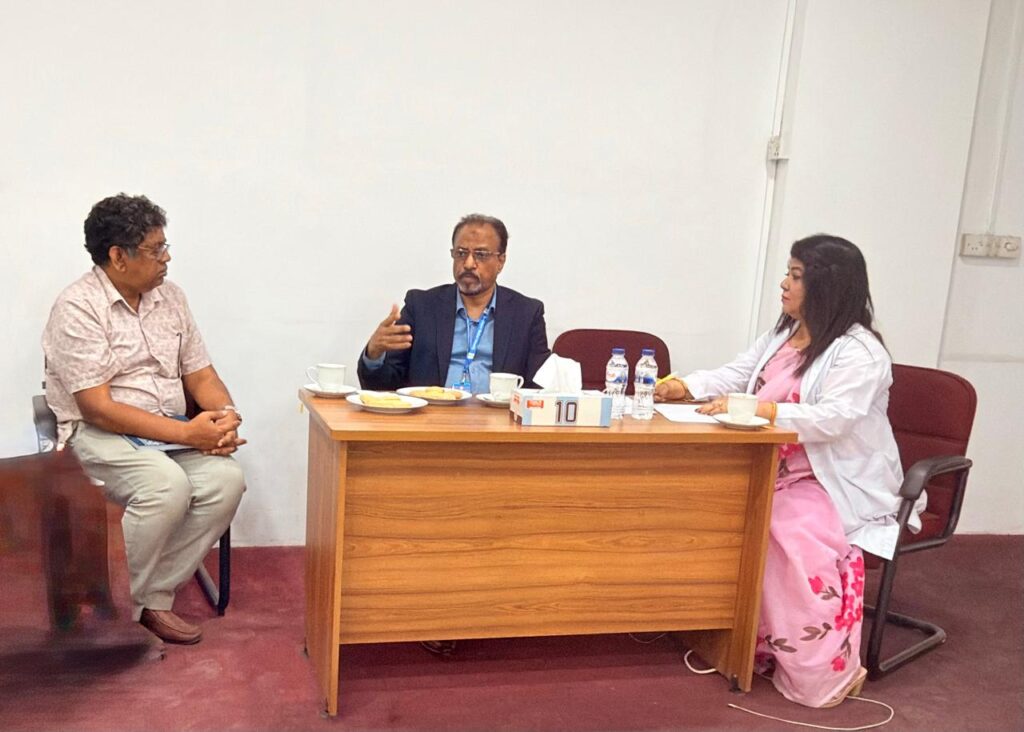

The meeting was attended by Prof. F. M. Siddiqui, Vice-Chancellor, BMU, and Prof. Raheel Qamar, Rector, CUI, along with faculty members from the Department of Public Health, BMU. Prof. Dr. Md. Atiqul Haque, Dean, Faculty of Preventive Medicine and Social Sciences, BMU, Dr. Khondoker Fatema, and Dr. Tangela Bushra were present. Dr. Farzana Islam Rupa facilitated the meeting.
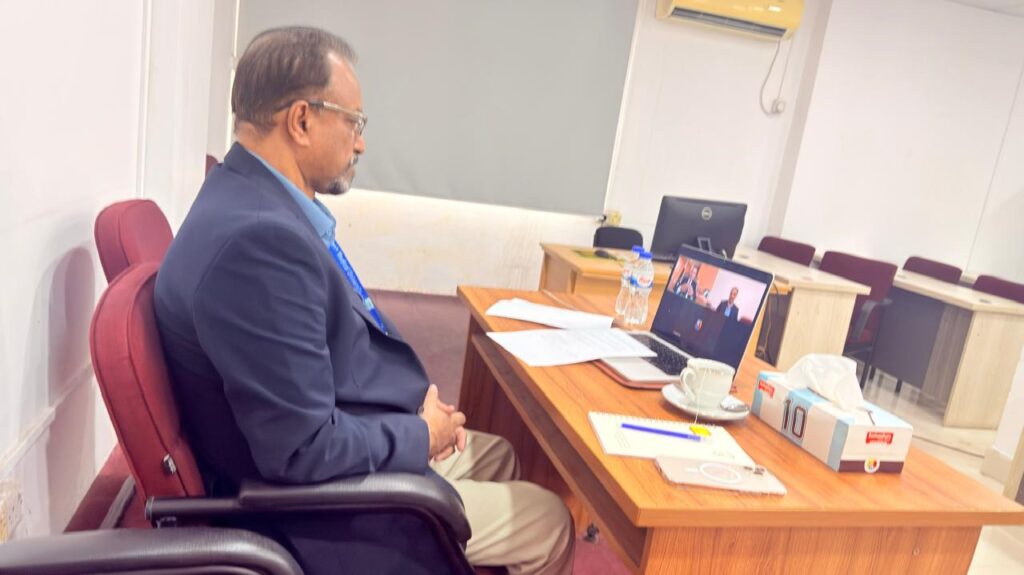

Discussions focused on three major areas of collaboration:
🔹 AI-Enabled Digital Transformation:
CUI expressed its willingness to support BMU in developing a paperless, AI-enabled digital governance ecosystem, drawing on its experience with the CUI Suite. Prof. Dr. Sajjad Madani may visit BMU to demonstrate the platform and explore opportunities for adaptation and implementation.
🔹 Faculty Development:
CUI reaffirmed its offer of 20 fully funded scholarships for BMU faculty members to pursue MS or PhD programmes at CUI, with full tuition and registration fees waived for selected candidates.
🔹 Biomedical Technology & Innovation:
The meeting explored opportunities for technology transfer, joint research, commercialization and local manufacturing of CUI-developed biomedical technologies, including KytoStat and KytoGraft. Prof. Dr. Mohammad Yar may visit BMU to showcase these technologies and explore potential avenues for collaboration.
The discussions highlighted a shared vision of building a long-term strategic partnership between BMU and CUI, focusing on digital innovation, human-capital development, research collaboration and biomedical technology transfer.

The meeting marks a significant step towards translating institutional dialogue into concrete collaborative initiatives, further strengthening academic and research ties between Bangladesh and Pakistan.
BMU and CUI reaffirmed their commitment to moving from dialogue to implementation by advancing the proposed initiatives through institutional engagement, expert-level exchanges and practical collaborative programmes. The two institutions will work towards translating these shared commitments into tangible outcomes in research, digital transformation, faculty development and biomedical innovation, creating a lasting partnership that contributes meaningfully to the advancement of both institutions and the wider communities they serve.

Share This :

Leave a Reply

Your email address will not be published. Required fields are marked *

The Cardio-metabolic Asia Summit 2026, held in Manila, Philippines, on 20–21 June 2026, brought together 240 physicians and healthcare professionals, 22 internationally acclaimed faculty members, and delegates from 13 countries under the theme “Trends and Transformations in Cardio-metabolic Conditions.” the summit served as a premier platform for sharing the latest advances in diabetes, hypertension, dyslipidaemia, cardiovascular disease, digital health, patient engagement, and integrated cardio-metabolic care. Through high-level scientific sessions, case-based discussions, and multidisciplinary collaboration, the meeting reinforced a unified vision for improving patient outcomes through innovation, evidence-based practice, and enhanced treatment adherence.
Representing Bangladesh on this distinguished international stage, Prof. F M Siddiqui, Vice Chancellor of Bangladesh Medical University and one of the country’s most respected physicians in Internal Medicine, participated as an invited international faculty member. His selection as Chairperson of the session “Navigating Complex Cardio-metabolic Cases” reflected both his longstanding academic leadership and the growing recognition of Bangladesh’s contribution to contemporary internal medicine.
During the session, internationally recognized experts from Thailand and Vietnam presented challenging real-world clinical cases focusing on the simplification of diabetes management, synergistic therapeutic strategies, and the critical issue of treatment non-adherence. Under Prof. Siddiqui’s leadership, the discussions translated complex clinical scenarios into practical, patient-centred strategies that clinicians could readily apply in routine practice. His thoughtful moderation ensured a dynamic exchange of perspectives and enriched the scientific dialogue among participants from across the region.
International scientific congresses of this calibre play a pivotal role in fostering collaboration, promoting the exchange of knowledge, and accelerating the adoption of best clinical practices across borders. Prof. Siddiqui’s active contribution not only enhanced the academic quality of the meeting but also highlighted Bangladesh’s growing presence within the global medical community. His participation stands as a reflection of the country’s commitment to excellence in medical education, clinical practice, and international scientific engagement.